The Kopi Bali Creation Process
The Craft of Bali Coffee: From Farm to Cup
Bali Coffee is more than just a brew — it’s a celebration of the island’s lush highlands, skilled farmers, and centuries-old traditions. At BALIE Café, we take pride in offering a coffee that captures the soul of Bali: balanced, aromatic, and deeply meaningful.
Here’s a complete look at how authentic Bali Coffee is crafted — step by step.
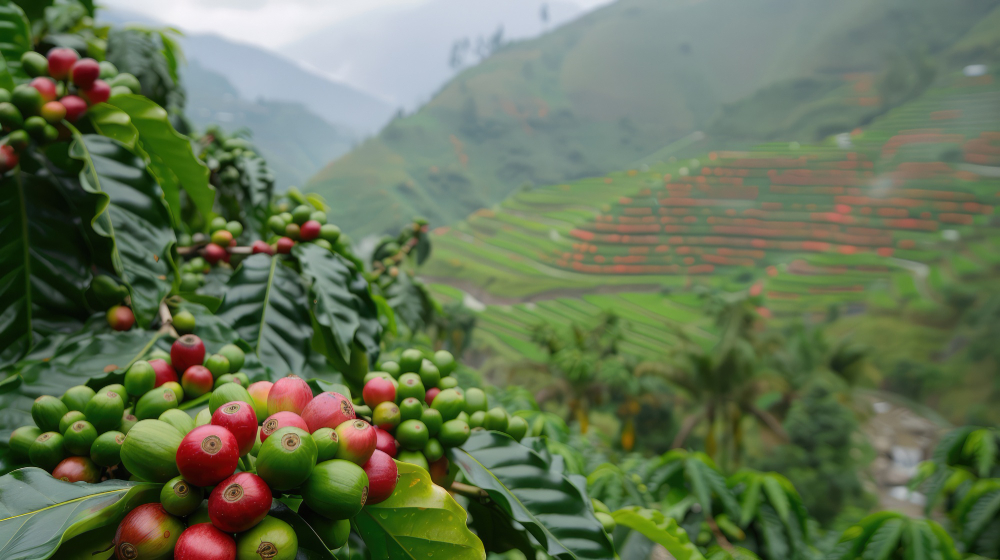
Bali’s finest coffee is grown in the misty, volcanic highlands — primarily in regions like Ubud, Kintamani, and Sidemen. The rich, mineral-laden soil, consistent rainfall, and ideal elevation (800–1,500 meters above sea level) create the perfect conditions for coffee cherries to develop nuanced flavors.
Pro tip: The altitude and microclimate give Bali Coffee its distinct floral and citrus notes, unlike many other Indonesian coffees.
The most common varietals cultivated in Bali are Arabica Typica, Biodiversity, and Bourbon. These are grown under shade trees (often banana or coffee trees) to preserve biodiversity, prevent soil erosion, and promote slower, more even ripening of the cherries.
Farmers use organic practices as much as possible — avoiding synthetic pesticides and fertilizers — to maintain soil health and protect the island’s ecosystem.
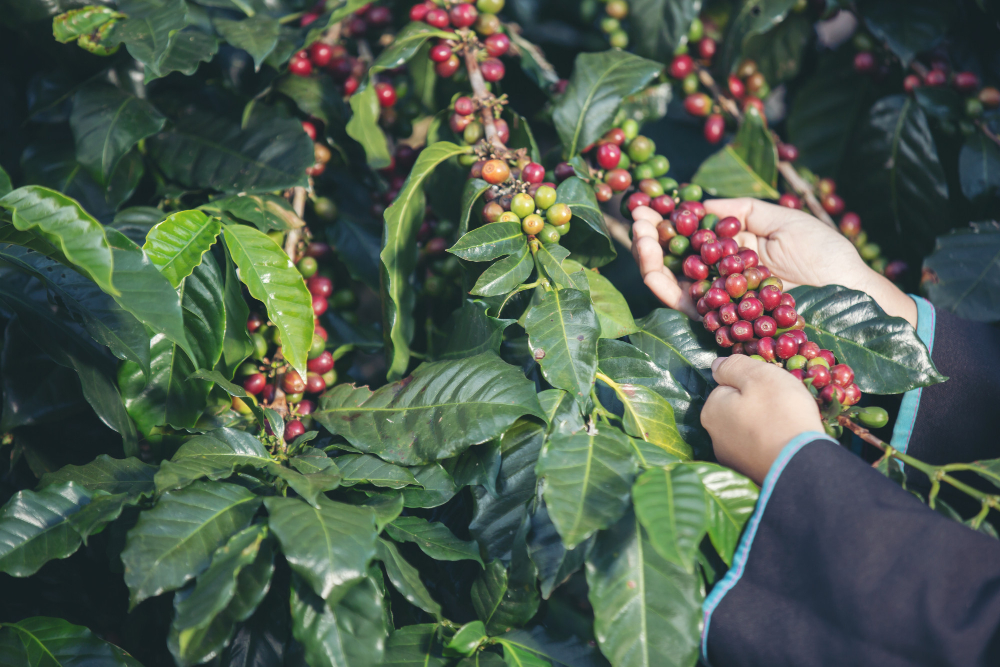
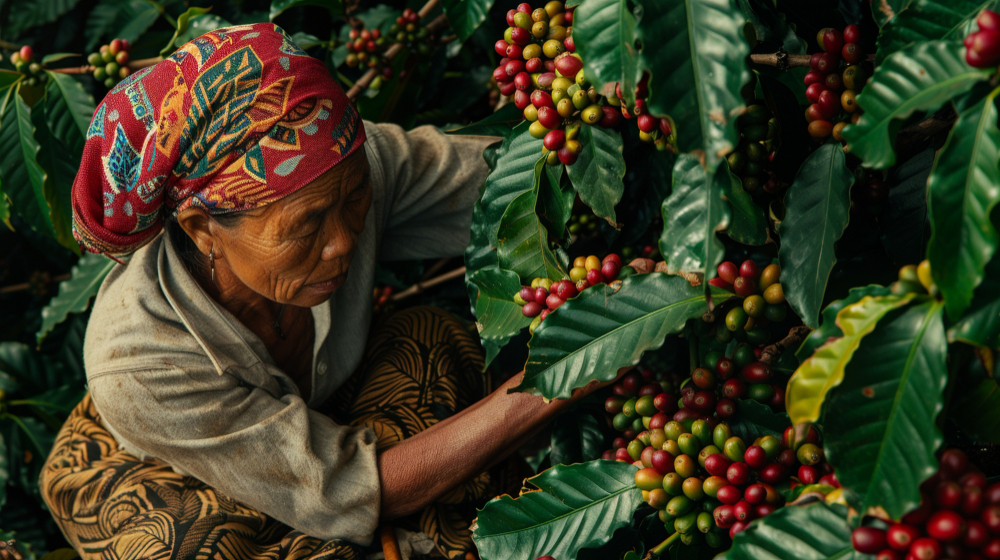
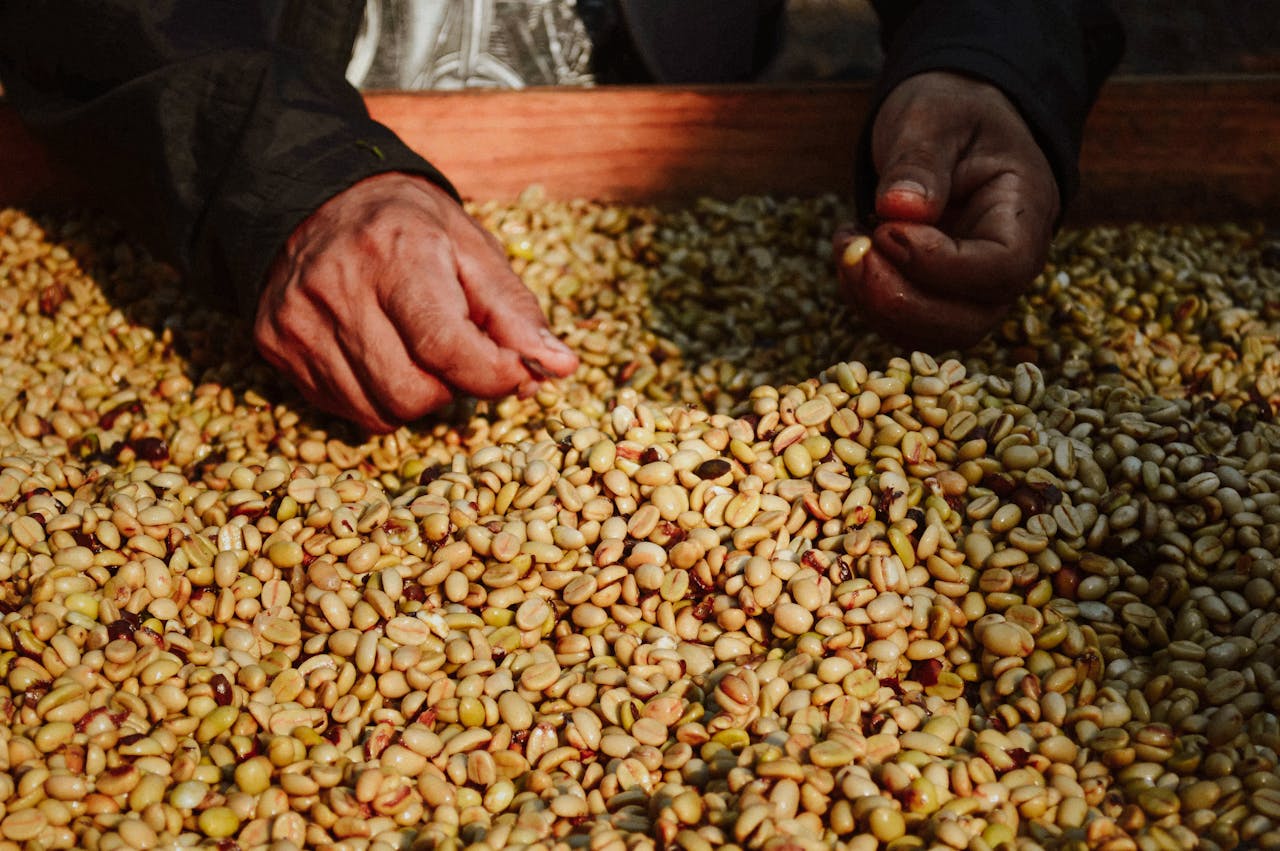
Bali Coffee is hand-harvested only at optimal ripeness. Workers carefully inspect each cherry, selecting only those that are deep red and fully mature.
- Harvest season: Usually from June to November
- Only 2–3 cherries per branch are picked at each visit to ensure sustainability
Unlike most coffee-producing regions that use washed or natural methods, Bali Coffee is traditionally processed using Giling Basah, a unique wet-hulling technique that shapes its bold character.
Steps:
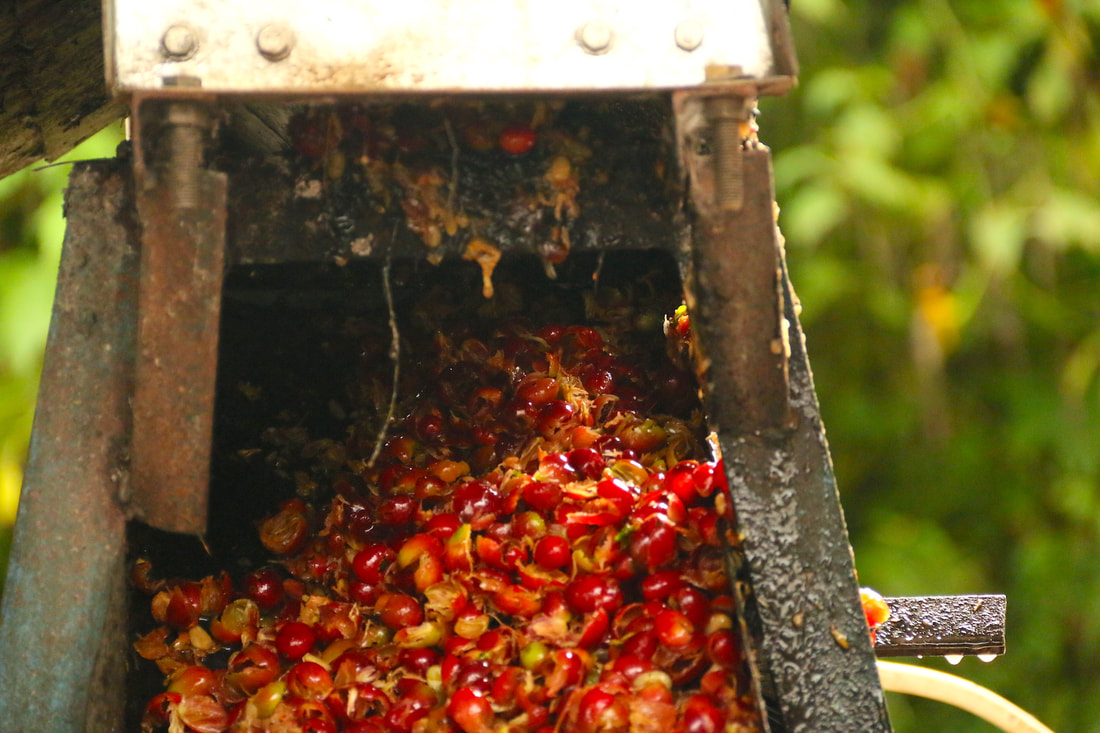
- Depulping: The outer skin is removed from the cherry using a mechanical depulper.
- Partial Drying: The beans (now with mucilage) are dried while still semi-moist — not to 8–10% moisture, but to around 20–30%.
- Hulling: The parchment is removed before full drying — a step known as "wet-hulling."
- Final Drying: Beans are sun-dried further until moisture reaches 10–12%.
🌬️ This process gives Bali Coffee its distinctive earthy body, low acidity, and full mouthfeel — a hallmark of Indonesian coffee culture.
After drying, beans go through multiple levels of sorting:
- Screen Size Sorting: By bean size to ensure uniformity.
- Hand Sorting: Trained workers remove defective or discolored beans.
- Density Testing: Light beans (often underdeveloped) are separated.
- Final Quality Grading: Beans are classified as S2, S3, or Special, based on quality.
✅ Only beans that pass all standards make their way to BALIE Café.
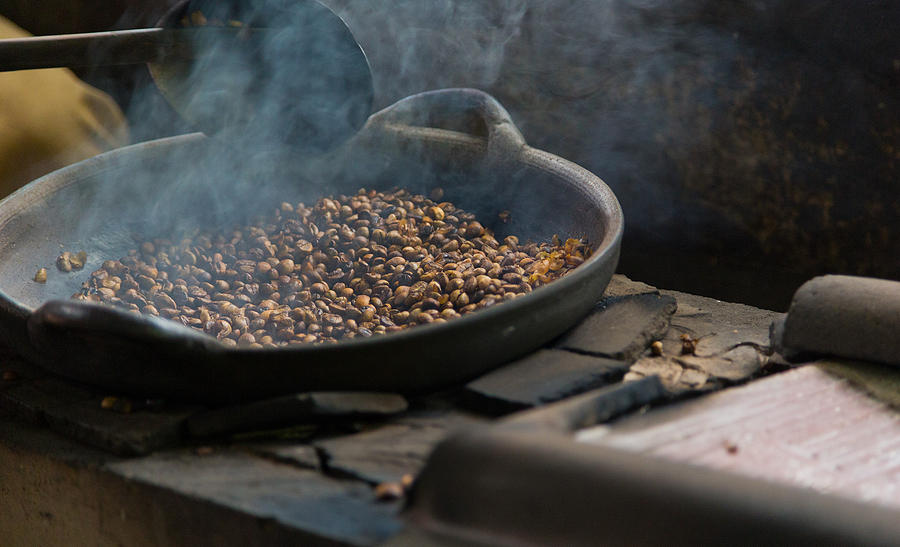
At BALIE Café, we roast in small batches to preserve the unique character of each origin.
- Roast level: Medium to Medium-Dark
- Roasting profile: Emphasizes floral notes, subtle sweetness, and a smooth finish
- Roast time: 9–11 minutes, depending on bean batch
Our roasters follow a precise temperature curve to enhance:
- Caramelized sugars
- A hint of nuttiness
- A lingering, clean aftertaste
Finally, your cup of Bali Coffee is brewed with intention. Whether via pour-over, espresso, or French press, we ensure:
- Water temperature: 92–96°C
- Grind size: Consistent, tailored to the method
- Brew time: Optimized for flavor clarity
Your cup should be:
- Smooth and balanced
- With notes of jasmine, honey, and dark chocolate
- Finishing clean and comforting